


SENSORIUM TopHORIBA Online


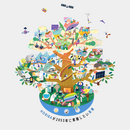
As a way to understand environmental problems on a human scale, HORIBA has created the "ecological unit," or "eu." This unit of measurement is equivalent to 2000 kcal—the amount of energy contained in the food necessary for one person to live for one day. Through analyzing our daily lives and society with the ecological unit, it becomes clear that we consume a lot of energy without realizing it.

This website welcomes your opinions and ideas. Please participate by letting us know what you think.


The Ecological Unit and Daily Living

·Our Lives Observed with the Ecological Unit
·The Environmental Load of Basho's Okunohosomichi Journey
·Human Life and the Ecological Unit
·The Life Cycle of Objects and the Ecological Unit
·The Environmental Family

Looking at the World with the Ecological Unit

·Jumbo Jets
·Housing
·Water
·Thermal Power Plants
·Oil
·The sun
·Car
·Waste
·Oxygen
·Batteries
·Personal Computers
·Food
·Convenience Stores
·Space Shuttle
·Beef
·Wind Power Generation
·Fuel Cells

In order for a person to live one day
A person can live on foods equivalent to 2000 kcal.

Lighting a 100 watt light bulb for a full day
It is surprising that a person consumes as much energy as a 100-watt lightbulb.
17 hours of television
The energy consumed in keeping a television on for 17 hours is enough to keep one more person alive.
Running a refrigerator for 34 hours
Refrigerators run constantly. This consumes 280 eu per year, the same as if there were another child in the house.
Running an air conditioner for 2.5 hours
An air conditioner consumes 10 eu if kept on all day. This is equivalent to the energy in the meals consumed by a 10-person family.
Traveling 2.5 km by car
People who drive 10,000 km a year are consuming 4,000 eu. Be aware of the effects of your driving.
2 square meters of greenery
Plants use the energy of Sunlight and carbon dioxide to produce starch and oxygen. A 2-square-meter area can produce the 400 liters of oxygen that a person needs each day.

(c) Toriko Kino